A new polymeric heart valve designed to grow with young patients has been successfully implanted into a child.
The first-of-its kind procedure in the US has been hailed a game-changer.
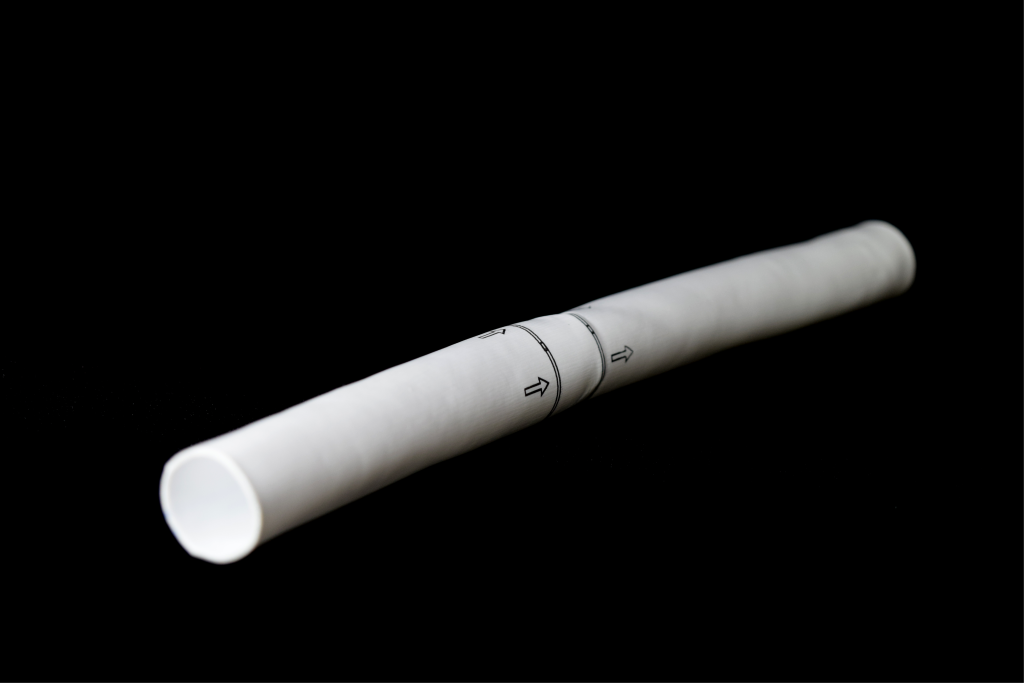
The MASA Valve, designed by medical device company PECA Labs, was implanted in a 21-month-old patient. They had already undergone an operation for a homograft around the age of one but this had become severely stenotic, requiring immediate replacement.
The young patient received the valve at the world-renowned Children’s Hospital of Philadelphia (CHOP) and early results have been ‘encouraging’.
By utilising a polymeric material, this innovative valve grows and adapts to the body’s natural anatomical development, eliminating the need for repeat surgery.
The new valve, which also limits risks of morbidity and mortality, has been welcomed as a ground-breaking development in the field of paediatric cardiology.
It has already received Humanitarian Use Device (HUD) and Investigational Device Exemption (IDE) from the US Food and Drug Administration (FDA) and PECA Labs has started enrolment for a study at four clinical sites.
It is estimated that around 4,000 children in the US annually require pulmonary valved conduits.
Existing valve implants are made with metal, ceramic or bio-prosthetic materials, which can cause biological responses, lack customisability and are incapable of growing with the patient. Failure of these valves usually occurs within five to 10 years with patients facing further surgery.
But because the MASA Valve is formed from polymeric materials, it helps avoid the body’s immune response and valve calcification that leads to failure.
It is constructed of PECA’s proprietary conduit and leaflet membrane, allowing for the production of a wide array of sizes to ensure a match with each patient’s unique anatomy.
Dr David Morales, executive co-director of the Heart Institute at Cincinnati Children’s Hospital, and principal investigator in the MASA Valve trial, explained that without the use of biologic or foreign tissue, the MASA Valve ‘should help greatly improve patient outcomes and could lead to fewer valve replacements over a child’s lifetime’.
‘If the study is successful, the MASA Valve could offer a significant improvement in the treatment of cardiovascular congenital heart defects in children.’
If approved, the MASA Valve would be the only non-biologic valve replacement option for this important procedure, and aims to be the first fully polymeric valve on the market.
Heart valve replacements have come a long way in medical history. The earliest attempts to address valvular diseases date back to the early 20th century when surgeons experimented with various materials and designs to replace malfunctioning valves. With advancements in medical technology and materials science, the field of heart valve replacement has witnessed significant progress.
While modern-day mechanical valves have proven to be highly effective, their use in paediatric patients has been limited due to the need for lifelong anticoagulation and the inability to accommodate natural growth.
To address these challenges, bio-prosthetic valves, derived from animal tissues, were developed as an alternative to mechanical valves.
These valves offered improved compatibility with the patient's body, eliminating the need for anticoagulation therapy. However, they did not grow with the individual.
This recent milestone by PECA Labs represents a significant advancement in the field of paediatric cardiac care.
PECA Labs was founded by a group of Carnegie Mellon alumni including a paediatric surgeon, Dr Arush Kalra, and is aiming to revolutionise cardiovascular implantable devices.
Dr Kalra said: ‘We’re moving toward a future where you would not require surgery at all. As a surgeon, I realise it's the most brutal medical field with the most intentional fracture to the human body. So the whole goal going forward is to give you a valve in an outpatient department. That valve will outlast your age. That’s truly the legacy PECA Labs is designing and working toward.’
For more, visit https://www.pecalabs.com/