Surgeons have performed the world’s second genetically modified pig heart transplant.
The team from the University of Maryland School of Medicine (UMSOM) successfully performed the procedure on a 58-year-old American father of two, Lawrence Faucette, who had reached the end stage of heart disease.
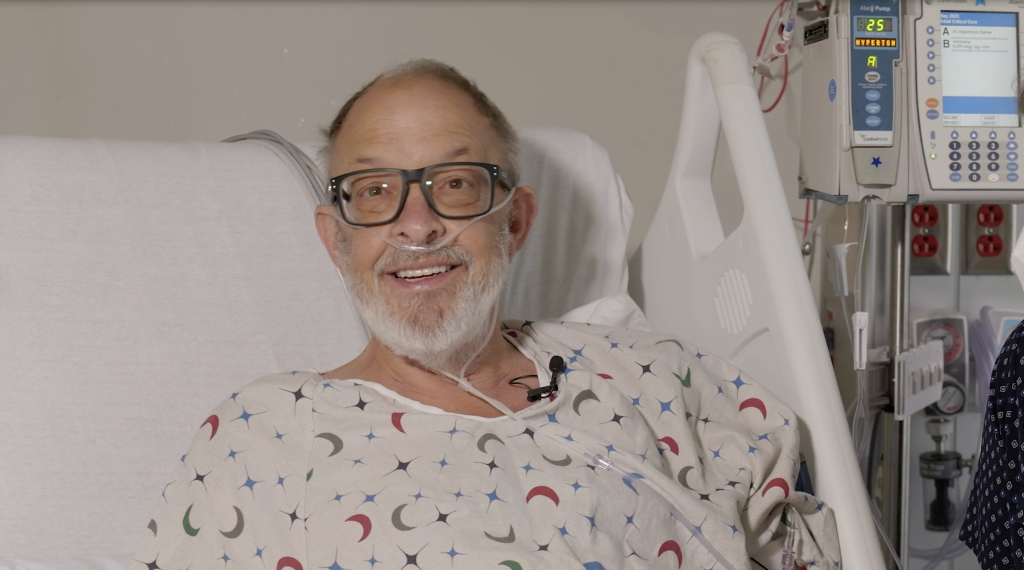
Traditional human heart transplants were ruled out due to pre-existing peripheral vascular disease and complications related to internal bleeding, making the pig heart transplant his only hope for survival.
The US Food and Drug Administration (FDA) granted emergency approval under the ‘compassionate use’ pathway reserved for situations where experimental medical interventions are the only lifeline for patients facing severe or life-threatening conditions.
The first pig heart transplant was performed on patient David Bennett in January 2022. His death from heart failure was likely caused by many factors, including poor health, which meant he was on a heart-lung bypass machine for six weeks before the transplant.
Dr Bartley P Griffith, the surgeon behind both pig heart transplants, emphasised the significance of this second surgery.
He said: ‘We are once again offering a dying patient a shot at a longer life, and we are incredibly grateful to Mr Faucette for his bravery and willingness to help advance our knowledge of this field.’
Dr Muhammad M. Mohiuddin co-led with Dr Griffith. He joined the UMSOM faculty seven years ago to establish the Cardiac Xenotransplantation Programme and serves as its Program/Scientific Director.
He said: ‘We continue to pursue the pathway to clinical trials by providing important new data on pre-clinical research that the FDA has requested. The FDA used our data from these new studies, as well as our experience with the first patient, to determine that we were ready to attempt a second transplant in an end-stage heart disease patient who had no other treatment options.’
The genetically modified pig used in this procedure was provided by United Therapeutics Corporation's subsidiary, Revivicor.
Before the transplant, the pig’s heart was preserved using the XVIVO Heart Box perfusion device.
Three genes – responsible for a rapid antibody-mediated rejection of pig organs by humans – were ‘knocked out’ in the donor pig. Six human genes responsible for immune acceptance of the pig heart were inserted into the genome.
One additional gene in the pig was knocked out to prevent excessive growth of the pig heart tissue, for a total of 10 unique gene edits made in the donor pig.
The physician-scientists are also treating the patient with novel antibody therapy and conventional anti-rejection drugs designed to suppress the immune system and prevent the body from damaging or rejecting the foreign organ.
The novel therapy being developed by Eledon Pharmaceuticals is an experimental antibody called tegoprubart; it blocks CD154, a protein involved in immune system activation.
UMSOM Dean Mark Gladwin MD, who is also Executive Vice President for Medical Affairs, UM Baltimore, and the John Z and Akiko K Bowers Distinguished Professor at UMSOM said: ‘This innovative programme embodies the future of molecular medicine in surgery and speaks to a possible future where organs may be available to all patients. I appreciate the hard work of many of our clinical, research and administrative teams at the University of Maryland Medicine. They have worked so hard over the last year to prepare for this day, doing everything possible to optimise the outcome of this historic surgery.’
This successful second pig heart transplant marks a significant leap forward in xenotransplantation. It offers hope for the 110,000 Americans awaiting organ transplants, with more than 6,000 patients succumbing to their conditions each year while waiting.
Before performing the first surgery in 2022, Mohiuddin, Griffith, and their research team spent five years perfecting the surgical technique on non-human primates.